Maida Vale council rules for garden waste disposal and fines
Posted on 06/07/2026
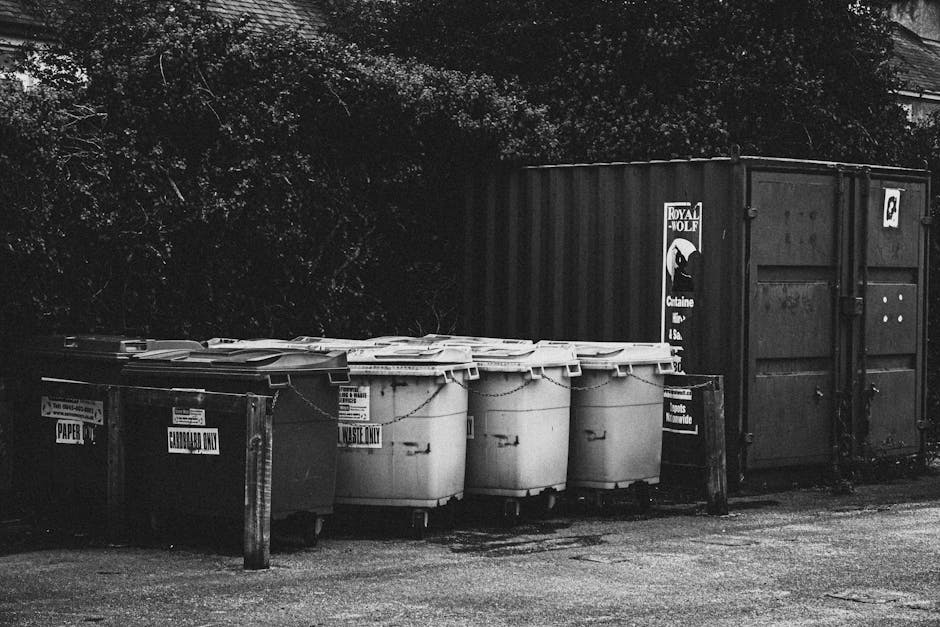
If you live in Maida Vale and have a pile of hedge cuttings, lawn clippings, dead leaves, or the odd broken planter, the rules around garden waste disposal can feel strangely fiddly. One wrong move and you may end up with missed collections, awkward neighbours, or a fine you really did not need. This guide explains Maida Vale council rules for garden waste disposal and fines in plain English, with practical steps, common mistakes, and the safest ways to stay compliant.
Whether you are tidying a small courtyard, clearing an overgrown shared garden, or dealing with seasonal cutbacks after a wet weekend, the basics are the same: separate the waste properly, use the right collection route, and avoid leaving bags where they cause a nuisance. Let's get into the details, because this is one of those jobs that looks simple until it isn't.
Why Maida Vale council rules for garden waste disposal and fines Matters
Garden waste is one of those waste streams people underestimate. A few sacks of ivy, a bundle of branches, and some grass cuttings do not feel like a major issue. But councils treat garden waste carefully because it can create litter, block pavements, attract pests, and lead to fly-tipping if left in the wrong place. In a built-up area like Maida Vale, that matters even more. Space is tight, access is often shared, and one badly placed bag can become everyone's problem.
The other reason this topic matters is money. Fines can arise when waste is dumped illegally, presented incorrectly, left out at the wrong time, or handed to an unlicensed carrier. No one wants to discover that a quick tidy-up turned into an avoidable penalty. And to be fair, the rules are not always obvious. You may think, "It's just garden clippings, what could go wrong?" Quite a lot, if the waste is mixed, poorly stored, or collected by the wrong person.
There is also a responsibility angle. In UK waste practice, householders and small landlords are expected to take reasonable care over who handles their waste. That means choosing lawful disposal methods, keeping records where needed, and making sure garden waste does not end up dumped beside a hedge or at the back of an alley. If you want a broader overview of waste handling in the area, the team's waste disposal in Maida Vale page is a useful companion read.
How Maida Vale council rules for garden waste disposal and fines Works
At the practical level, the rules usually come down to three questions: what the waste is, how it is presented, and who removes it. Garden waste generally includes organic material from outside areas, such as grass, leaves, weeds, plants, small branches, hedge trimmings, and soil in limited amounts depending on the collection method. It usually excludes items like pots, fencing, rubble, plastic ties, garden furniture, and general household rubbish.
The key is separation. If you mix garden waste with general rubbish, a lot of collection systems will reject it or charge differently. If you put non-garden items into a garden waste load, that can trigger compliance issues. It sounds fussy, but it is exactly the kind of detail that stops collections from being refused on the pavement, which is never a good look on a damp Tuesday morning.
Fines typically come into play when there is improper disposal, illegal dumping, or repeated non-compliance. In plain terms, that can mean leaving waste where it obstructs public land, putting it out in a way that breaches local collection rules, or using someone who is not authorised to carry waste. The safest approach is boring but effective: separate the waste, use a proper collection route, and keep your disposal paper trail sensible.
If you have a bigger clear-out than a simple tidy-up, it may make more sense to combine garden waste with other material under a broader clearance plan. In that case, garden waste removal in Maida Vale can be paired with waste clearance services or even house clearance in Maida Vale if the job spills indoors as well. That happens more often than people think after landscaping or a pre-letting tidy-up.
Key Benefits and Practical Advantages
Following the rules is not just about avoiding penalties. It makes the entire job smoother. First, it helps your waste get collected without delays. If your bags are tidy, separated, and ready for the right service, the process is quicker and less stressful. No one wants to re-bag half a hedge because it was mixed with old compost and a broken plant tray.
Second, proper disposal is better for neighbours and shared spaces. Maida Vale includes plenty of mansion blocks, basement flats, mews properties, and communal gardens, so one person's shortcut can easily become another person's complaint. Clean presentation matters. So does timing. Leaving green waste outside too long can make the area smell damp and earthy, especially in warmer weather.
Third, lawful disposal usually gives you better value. That may sound odd, but it is true. You avoid repeat work, penalty risks, and the cost of correcting a messy situation later. If you want to compare ways of handling a larger load, it also helps to look at wider service choices like rubbish collection in Maida Vale or the broader services overview before deciding what fits your job best.
Practical takeaway: the cleaner and more separated your garden waste is, the easier it is to remove legally, the less likely it is to be refused, and the less likely it is to create complaints or fines. Simple, but important.
Who This Is For and When It Makes Sense
This topic matters to a surprisingly wide group of people. Homeowners with front or back gardens need it, of course. So do tenants with small outdoor areas, landlords turning over a rental, and managing agents responsible for shared courtyards. Busy families, retirees who garden at weekends, and people clearing after a storm all run into the same problem sooner or later: what do you do with the cuttings once the bags are full?
It also matters for local businesses with planted frontage, small offices with roof terraces, and property owners preparing for sale or refurbishment. A tidy outdoor space can improve first impressions, but only if the waste is removed properly. I've seen situations where a beautiful garden was let down by six overflowing sacks sitting by the gate. Not ideal, and very avoidable.
If you are dealing with a larger property transition, the subject often overlaps with property transactions in Maida Vale and even real estate investment considerations, because outdoor presentation influences both saleability and maintenance costs. For residents who want a local perspective on the area itself, living in Maida Vale offers a useful backdrop.
It makes sense to act quickly when the waste is likely to become a nuisance, for example after pruning, landscaping, or a wet spell that leaves heavy cuttings everywhere. If the waste is small enough for a normal collection route, fine. If not, do not let it sit. That is where things get awkward.
Step-by-Step Guidance
Here is the most practical way to handle garden waste in Maida Vale without creating problems for yourself.
- Separate garden waste from everything else. Keep branches, grass, weeds, and leaves apart from soil, plastic, rubble, and household rubbish. Mixed loads are where trouble starts.
- Check what your chosen disposal route accepts. Some services accept only green waste. Others may take soil or mixed garden material with restrictions. Do not assume. That's how people end up with refused collections.
- Bag or bundle it neatly. Use strong bags or tie branches securely. Loose material is more likely to scatter, especially if there is a gust of wind down a terrace or a narrow side passage.
- Keep access clear. If collectors have to squeeze through bins, bicycles, or parked cars, delays become more likely. A small obstruction can become a big headache.
- Use a lawful collection method. Choose a service that can handle the waste properly and can explain how disposal works. That protects you if questions arise later.
- Remove waste promptly after gardening. Do not leave sacks out for days. A short delay is one thing; an outdoor storage habit is another.
- Watch for prohibited items. Pots, tools, broken garden furniture, bricks, and treated timber usually need different handling. Do not tuck them into green bags "just this once".
If the garden waste is part of a much bigger clear-out, such as after a renovation or a tenancy change, you may need a broader service. In that case, waste clearance in Maida Vale or builders waste disposal may be more suitable than a simple green waste pickup. Different waste streams, different rules. No mystery there, just a bit of planning.
Expert Tips for Better Results
Here's where the job gets easier. A few small habits save a lot of grief.
- Cut long branches down to manageable lengths. You'd be surprised how often a single awkward branch ruins an otherwise tidy load.
- Let wet waste drain before bagging it. It reduces mess and weight. Nobody enjoys lifting dripping grass cuttings at the kerb.
- Keep a separate pile for non-organic extras. Broken pots, ties, and worn-out plant supports need a different route.
- Photograph the load before collection if needed. This can be useful if you are a landlord, agent, or shared-property resident trying to document what was removed. Sensible, not dramatic.
- Choose timing carefully. Early collections are often easier in residential streets. By late afternoon, parking, deliveries, and foot traffic can make everything clumsier.
One small but important point: if you are in a basement flat or a building with awkward access, think through the path before the bags are moved. A narrow stairwell full of damp branches is a miserable little exercise in balance. If that sounds familiar, this guide on access issues for basement rubbish removal is worth a look.
Another tip? Keep communication simple. If you are arranging removal through a service provider, tell them upfront whether the waste includes heavy soil, thorny cuttings, or bulky prunings. Those details change how a load is handled. Honest information saves everyone time.

Common Mistakes to Avoid
The same errors crop up again and again. The good news is that they are easy to avoid once you know them.
Mixing garden waste with general rubbish. This is probably the biggest one. A few food wrappers or bits of broken plastic may not seem like much, but they can change how the load is classified.
Leaving waste on the pavement too early. Even if the collection is booked, putting waste out too soon can obstruct footpaths or create complaints. In some cases, that is what attracts enforcement in the first place.
Using an unlicensed carrier. This is the one that gets people into trouble later. If waste is fly-tipped after you handed it over, you may still be asked questions about where it came from. That is why compliance matters so much.
Assuming all garden waste is free to remove. Sometimes it is, sometimes it is not, and mixed or bulky loads usually cost more. A fair quote should be clear about what is included. If you want to avoid unpleasant surprises, the article on avoiding hidden charges in Maida Vale rubbish removal quotes is especially useful.
Ignoring access and parking realities. Maida Vale streets can be busy, and parking is rarely a dream. If access is tight, collection takes longer. If it takes longer, plans slip. Simple as that. There's no magic wand for a blocked driveway.
Tools, Resources and Recommendations
You do not need a van full of specialist kit to manage garden waste properly, but a few basic tools make life easier.
- Heavy-duty garden waste bags for leaves, clippings, and smaller soft material.
- Garden shears or secateurs to shorten branches and make bundling safer.
- Tarpaulin or sheet to keep a pile contained while you sort through it.
- Work gloves because thorny stems and hidden splinters are more annoying than they look.
- Wheelbarrow or tub trug for moving small loads without tearing bags.
For a broader waste-management approach, it is helpful to compare garden waste removal with other local services. For example, a mixed home project may need furniture disposal, appliance disposal, or even loft clearance if the tidy-up has expanded far beyond the garden. That happens a lot during spring cleaning. One job becomes three. Funny how that works.
Useful service pages to keep in mind include pricing and quotes if you are comparing options, and waste carrier licence and compliance if you want reassurance about lawful handling. For broader sustainability context, the site's recycling and sustainability page is a sensible read too.
Law, Compliance, Standards, or Best Practice
Without pretending every council process is identical, the basic UK approach is consistent: waste must be managed safely, transferred responsibly, and kept out of the wrong places. Garden waste is not exempt from that. The main compliance ideas are straightforward even if the paperwork sometimes feels dull.
Best practice means using a legitimate carrier, separating waste correctly, and making sure it is taken to an appropriate disposal or recovery route. If you are a homeowner, this is mostly about being careful who you hand waste to. If you are a landlord or managing agent, your responsibilities are broader because you may be dealing with tenants, contractors, and common areas all at once.
There is also a practical standard worth remembering: if a disposal method seems too casual, it probably is. An offer to "just take it away" without any clear explanation of where it goes should set off a little alarm bell. Not a huge one. Just enough to pay attention.
In shared buildings and managed blocks, it is sensible to follow house rules as well as waste rules. That can mean booking access, protecting communal floors, and keeping clear of fire exits. Those everyday standards are not glamorous, but they prevent friction. And in a place like Maida Vale, where many properties have close neighbour proximity and shared entrances, the small things matter most.
Options, Methods, or Comparison Table
There are usually several ways to deal with garden waste. The right choice depends on volume, access, timing, and how mixed the load is. Here is a simple comparison.
| Method | Best for | Strengths | Watch-outs |
|---|---|---|---|
| Household collection route | Small, clean, routine garden waste | Convenient for light maintenance jobs | May have strict presentation rules and limits |
| Dedicated garden waste removal | Weekly tidy-ups, pruning, seasonal cutbacks | Flexible for larger or recurring loads | Needs clear separation from other waste |
| General rubbish collection | Mixed household and non-garden items | Good when outdoor and indoor clearances overlap | Green waste may need to be separated first |
| Full waste clearance | Big jobs, refurbishments, end-of-tenancy clears | Can handle mixed materials in one organised visit | Usually not the cheapest option for a tiny load |
If you are unsure which route suits your situation, think about what is actually in the pile, not just how big it looks. A light-looking heap of branches can still take up a lot of space. Conversely, a few sacks of wet soil can be more troublesome than expected. Best to plan for the real load, not the hopeful one.
Case Study or Real-World Example
A typical Maida Vale scenario goes like this. A resident clears an overgrown back garden after a few months of neglect. There are hedge cuttings, clippings, some old compost, a broken planter, and two bags of household rubbish that were sitting nearby. The first instinct is to bag everything together and leave it by the side return for collection. Easy, right?
But then the problems start. The mixed waste makes the load less suitable for a green waste route. The broken planter changes the classification again. A neighbour complains that the bags are blocking the path. By the time the resident tries to fix it, the bags are wet, heavier, and harder to move. It becomes one of those little jobs that eats an entire afternoon.
The better approach would have been to separate the material at the start: green waste in one pile, non-organic items in another, and the rest handled through a proper collection route. In a real-world local setting, especially around shared access and tight parking, that small bit of planning often makes the difference between a clean pickup and a frustrating delay.
We see a similar pattern with local access and timing challenges elsewhere too, including Warwick Avenue waste removal times and parking tips and rubbish collection for Little Venice properties. Different streets, same basic lesson: plan access first, sort waste second, and the rest is much less painful.
Practical Checklist
Use this quick checklist before you put garden waste out or arrange removal.
- Have I separated green waste from general household rubbish?
- Have I removed pots, plastics, rubble, and other non-organic items?
- Are branches cut down and tied securely?
- Are the bags strong enough and not overfilled?
- Do I know which collection route I am using?
- Have I checked access, parking, and timing?
- Is the waste likely to create a nuisance if left outside too long?
- Have I chosen a lawful carrier or disposal method?
- Do I need a broader clearance service for mixed waste?
- Have I kept notes or photos if the job is shared or managed?
Mini reminder: if anything in the pile looks doubtful, take it out and deal with it separately. That one habit prevents a lot of avoidable mistakes.
Get a free quote today and see how much you can save.
Conclusion
Maida Vale council rules for garden waste disposal and fines are not there to make gardening harder. They are there to keep streets cleaner, collections safer, and waste from becoming a public nuisance. Once you understand the basics, it all becomes manageable: separate the waste, use the right collection method, and avoid shortcuts that look easy but cause problems later.
If your pile is small, simple, and clean, disposal is usually straightforward. If it is mixed, bulky, or awkward to access, take the time to plan it properly. That little bit of care often saves money, time, and the kind of stress nobody needs on top of a busy week. And honestly, there is something satisfying about clearing a garden the right way. The space feels lighter. The air does too.
When in doubt, choose the tidy option, the lawful option, the boring option. It's usually the one that works best in real life.