Emergency rubbish removal near Maida Vale station W9
Posted on 28/04/2026
If you need emergency rubbish removal near Maida Vale station W9, you usually need one thing above all else: a fast, tidy solution that does not create more stress than the mess itself. That might mean a sudden pile of builders' waste outside a flat, a landlord's last-minute clearance, an overflow after a move, or rubbish left behind after a party, renovation, or office reset. Whatever the trigger, the job is the same: remove waste quickly, safely, and responsibly.
In a busy area near the station, timing matters. Access can be tight, parking may be limited, and the last thing anyone wants is a pile of bags or broken furniture blocking the pavement. This guide explains how urgent rubbish removal works, what to expect, what to avoid, and how to choose a service that actually solves the problem rather than adding to it.
For a broader overview of available services, you may also find the services overview useful, especially if your urgent job turns out to need more than one type of clearance.
Why emergency rubbish removal near Maida Vale station W9 matters
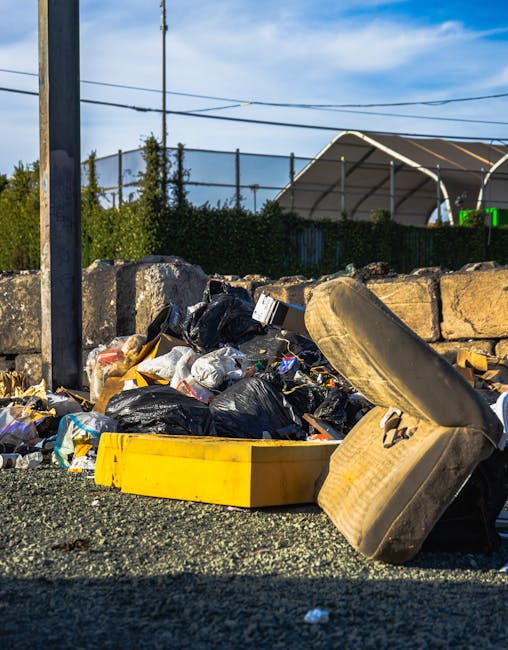
Emergency clearance is not just a convenience service. Near a station, waste can become a practical and reputational issue very quickly. Bags stacked in a shared hallway, old furniture left on a forecourt, or renovation debris outside a property can create friction with neighbours, block access for visitors, and attract unwanted attention.
In a neighbourhood with a mix of flats, period conversions, busy roads, and compact access points, delays often make the problem worse. One missed collection can turn into several days of inconvenience. If waste is damp, sharp, bulky, or mixed with rubble, the risk grows again. Nobody wants cardboard boxes, plasterboard offcuts, or broken fittings sitting around when people are coming and going.
There is also a simple quality-of-life angle. Urgent rubbish removal can help restore usable space in a flat, a shop, a communal entrance, or a small office. That matters whether you are preparing for a new tenant, clearing after a contractor has finished, or trying to get back to normal after a stressful week. A quick response can change the feel of a space immediately.
If the problem follows a larger clear-out, it may help to compare options on the house clearance in Maida Vale page or the office clearance service, depending on whether the waste is domestic or commercial.
Practical takeaway: urgent rubbish removal is about speed, access, and safe disposal, but the best service also keeps disruption low and leaves the area presentable.
How emergency rubbish removal near Maida Vale station W9 works
The process is usually straightforward, but the details matter. Good urgent rubbish removal starts with a quick assessment of what needs to go, where it is located, and how easily it can be accessed. That is especially important near the station, where loading points, narrow entrances, and shared access routes can change how the job is planned.
Most jobs follow a simple pattern:
- You describe the waste. This might include bags, furniture, builders' debris, appliances, garden cuttings, or office contents.
- You explain the access. Ground floor, basement, upper floor, lift access, front garden, rear alley, or permit-sensitive street parking all affect the plan.
- A collection is scheduled. For emergency work, same-day or next-available slots are often the goal.
- The team arrives and loads efficiently. The crew should sort what can be separated, lift safely, and keep communal areas as clear as possible.
- The waste is removed for proper disposal or recycling. Responsible providers do not just "take it away"; they handle it through appropriate channels.
There are important distinctions between a simple rubbish collection and a more involved waste removal job. For example, a single bulky item near a building entrance is not the same as mixed builders' waste from a bathroom refit. If the job includes heavy rubble, sharp material, or multiple waste streams, it may be better suited to a specialist route such as builders' waste disposal in Maida Vale.
Another practical point: emergency does not always mean chaotic. A well-run team will still ask questions, give a realistic arrival window, and outline what can and cannot be taken. That brief front-end conversation saves time on the day.
Key benefits and practical advantages
The obvious benefit is speed, but the real value goes further than that. Fast removal can prevent a small problem from becoming a bigger one, and in a central W9 location, that matters more than people often expect.
- Immediate space recovery: A cluttered hallway, driveway, or loading area can be cleared quickly.
- Less neighbour disruption: The sooner waste is gone, the less likely it is to become a complaint point.
- Reduced safety risk: Broken timber, glass, rubble, and loose bags can create trip or cut hazards.
- Better presentation: Important if you are preparing for viewings, deliveries, or check-ins.
- More reliable planning: Urgent removal can help a refurb, move, or tenancy change stay on schedule.
- Cleaner disposal pathway: A professional clearance should support recycling and responsible segregation where possible.
For many property owners and managers, the biggest advantage is not the removal itself; it is the calm that comes after. Once the waste is gone, the next job becomes manageable again. It is much easier to repaint a flat, hand over keys, or reopen a room when you are not stepping around old waste.
If sustainability matters to you, take a look at the company's recycling and sustainability approach. Emergency work should still be handled responsibly, even when speed is the priority.
Who this is for and when it makes sense
Urgent rubbish removal is not only for obvious "messy" situations. In practice, it helps a wide range of people and organisations, especially where time pressure and access issues collide.
Common situations include:
- Tenants and landlords dealing with end-of-tenancy leftovers or abandoned items
- Homeowners clearing space before trades arrive or after a sudden breakage
- Flat owners who need waste removed from shared entrances or limited storage areas
- Office managers handling unwanted desks, chairs, boxes, or filing clutter
- Letting agents coordinating turnaround clearances between occupants
- Builders and decorators who need site waste cleared fast to keep work moving
- Event organisers facing a post-event cleanup deadline
Sometimes the reason is not dramatic at all. Perhaps a tenant has moved out suddenly and left a storage cupboard full of junk. Perhaps a contractor finished late and missed a collection window. Perhaps a shop needs the back area cleared before a delivery can be accepted. These are all ordinary, real-world reasons people look for emergency rubbish removal near Maida Vale station W9.
If you are working through a major home reset, the general waste removal page can help you compare a broader clearance to a more targeted emergency call-out.
Step-by-step guidance
If you want the fastest, smoothest result, a little preparation goes a long way. Here is a practical process that works well for most urgent jobs.
1. Identify exactly what needs to be removed
Separate loose bags, furniture, appliances, green waste, and construction debris if you can. Even a rough grouping helps the removal team plan the right vehicle and loading approach. If the waste includes anything unusual, say so early. Surprise items are where delays start.
2. Check access before you call
Note whether the waste is inside a flat, down stairs, in a rear garden, or in a communal area. Near station streets, parking and loading conditions can affect timing. If access is awkward, say it plainly. A clear brief is more useful than a confident guess.
3. Ask about timing and arrival windows
For emergency work, ask whether same-day service is available, how the crew will contact you, and what happens if access changes. A reliable provider should be able to set expectations without overpromising.
4. Confirm what can and cannot be taken
Some materials may need special handling. Hazardous items, chemicals, and certain controlled materials are usually excluded or treated separately. It is better to ask than assume. This is one of those cases where a five-second question avoids a fifty-minute headache.
5. Clear a route to the waste
Move anything fragile out of the way, unlock gates or doors, and make sure the route is safe. The faster the team can reach the items, the quicker the job is done.
6. Request confirmation of disposal and payment terms
Make sure you understand how the collection is priced, whether the quote is fixed or estimated, and how payment is handled. For more information on this part of the process, see the company's pricing and quotes page and payment and security information.
That is the practical rhythm of a good emergency job: clear description, clear access, clear expectations, and no unnecessary surprises.
Expert tips for better results
Emergency rubbish removal can be quick without being careless. A few small decisions often make the difference between a smooth clearance and a frustrating one.
- Take a quick photo set before the team arrives. This is especially helpful if you are managing the job remotely.
- Separate recyclables where practical. Cardboard, metal, timber, and green waste are often easier to process when grouped sensibly.
- Be upfront about awkward items. Heavy wardrobes, broken appliances, and rubble all affect handling.
- Keep shared areas clear. In blocks of flats, a clear corridor or entrance saves time and reduces disturbance.
- Choose a provider that explains the process. Clear communication is a better sign than flashy promises.
One small but useful habit: if your issue is part of a larger property improvement project, write down the order of jobs. For example, remove waste first, then clean, then decorate. It sounds obvious, but in a pressured day, obvious things are exactly what get missed.
For properties with larger clearance needs, the house clearance service or office clearance service may be the better fit than a one-off ad hoc removal.

Common mistakes to avoid
Most problems with urgent waste removal come from poor preparation or the wrong expectations. The good news is that these mistakes are easy to avoid once you know what to look for.
- Under-describing the waste. Saying "just a bit of rubbish" can lead to the wrong vehicle or too little time.
- Ignoring access constraints. Narrow stairs, no lift, controlled parking, and rear-only access all matter.
- Leaving the job until the last minute. Emergency services can move quickly, but they still need the basics.
- Mixing special materials with ordinary rubbish. This can complicate disposal and sometimes affect what can be collected.
- Choosing on price alone. The cheapest option is not always the fastest, safest, or most reliable.
- Assuming everything will be recycled. Good providers aim for responsible processing, but outcomes depend on the material mix.
In busy urban areas, another common mistake is forgetting the neighbours. If collections must happen at a sensitive time, a quick heads-up can avoid unnecessary tension. It is a small courtesy, but it tends to pay for itself.
Tools, resources and recommendations
You do not need a huge toolkit for a rubbish collection, but a few practical items make urgent clearances easier and safer.
Useful items to have ready
- Heavy-duty bags for loose rubbish
- Gloves for sorting and handling minor debris
- Tape or ties for securing broken items
- Labels or notes if waste needs separating
- Phone camera for documenting what needs removing
- Door codes, access notes, or parking instructions for the crew
Useful pages to review before booking
If you want to understand the wider service landscape, start with the rubbish collection in Maida Vale page, then compare it with the broader waste removal in Maida Vale service. If you are dealing with post-renovation debris, the specialist builders' waste disposal option is often more appropriate.
For reassurance about who you are dealing with, the about us page is worth a look. And if service integrity matters to your organisation, the company's insurance and safety information is a sensible checkpoint before you book.
Law, compliance, standards and best practice
Any rubbish removal service should be approached with basic compliance in mind. You do not need to be a waste expert, but you should expect the provider to handle disposal responsibly and to be clear about what they can accept.
In the UK, waste must generally be transferred and handled properly, and reputable operators should be able to explain their process in plain English. If a provider is vague about where waste goes, or seems uncomfortable answering simple questions, that is a warning sign. The same applies if you are asked to put out questionable items without any guidance.
Best practice usually includes:
- clear description of the waste before collection
- safe manual handling on site
- separation of reusable or recyclable materials where practical
- appropriate treatment of restricted items
- transparent pricing and terms
- respect for shared buildings and access routes
If you are booking on behalf of a business, landlord, or managing agent, it is also sensible to review the provider's terms and conditions and privacy policy. Those pages do not solve the rubbish problem, of course, but they do help you understand how the service is structured.
For anyone who values ethical supply chains, the modern slavery statement is another useful trust signal. It is a small detail, but it reflects how seriously an organisation takes its responsibilities.
Options, methods and comparison table
Emergency rubbish removal is not the only way to deal with a pile of waste. Sometimes it is the fastest option; other times, a slightly different approach will save time or money. The right choice depends on the waste type, how quickly it must go, and how much effort you want to put into organising it.
| Option | Best for | Speed | What to consider |
|---|---|---|---|
| Emergency rubbish removal | Urgent piles, access issues, last-minute clearances | Very fast | Often the best fit when delay creates real disruption |
| Scheduled rubbish collection | Routine household or business waste | Moderate | Useful if timing is flexible and the load is straightforward |
| House clearance | Whole-property clearances, probate, moves, downsizing | Fast to moderate | Better when the scope is larger than a simple rubbish load |
| Office clearance | Desks, chairs, archive clutter, equipment | Fast to moderate | Best for business moves or refurbishments |
| Builders' waste disposal | Rubble, offcuts, packaging, renovation debris | Fast | Often the right choice for heavier, messier material |
A useful way to decide is simple: if the waste is creating immediate disruption and you need it gone quickly, emergency removal is usually the right first call. If the job is broader and more structured, a dedicated clearance service may be a better fit.
Case study or real-world example
Here is a realistic example based on the kind of situation people often face near Maida Vale station W9.
A resident in a converted flat had contractors finish a bathroom refit later than planned. By the end of the day, there was a mixed pile of packaging, old fittings, plasterboard offcuts, and a broken sink that could not be left in the shared hallway overnight. The building had awkward stair access and limited external space, so a regular collection would have meant a long wait and possible complaints from neighbours.
Instead, the resident contacted a local team for urgent collection, explained the waste mix, and shared a quick photo of the access route. The crew arrived with the right equipment, removed the material efficiently, and left the common area clear. The contractor could return the next morning without tripping over debris, and the resident avoided a weekend of clutter.
What made the difference was not just speed. It was clarity: the waste type, the access conditions, and the urgency were all communicated early. That is often the pattern in successful emergency jobs.
Practical checklist
Use this quick checklist before you book or confirm a visit.
- Have you identified the main waste types?
- Do you know where the rubbish is located?
- Have you checked access, stairs, parking, or lift restrictions?
- Have you mentioned any heavy, sharp, or awkward items?
- Do you need same-day collection or the next available slot?
- Have you asked what is excluded from the service?
- Do you understand the pricing structure and payment process?
- Have you made the route to the waste as clear as possible?
- Do you need a broader service such as clearance or builders' waste disposal?
- Have you reviewed trust pages like safety, sustainability, and terms?
If you can tick most of those boxes, the job is usually much smoother. A little preparation saves time on both sides.
Conclusion
Emergency rubbish removal near Maida Vale station W9 is really about restoring order quickly and responsibly. Whether you are dealing with a sudden pile of waste, a last-minute property handover, or debris from a rushed project, the right service should make the problem feel smaller within minutes of arriving.
The best results come from clear communication, realistic expectations, and a provider that understands local access conditions. Near the station, that can make all the difference. If you know what needs removing, how the area can be accessed, and how urgently it needs to happen, you are already halfway there.
Get a free quote today and see how much you can save.
For readers exploring the area as part of a move or property decision, you may also enjoy the local background in Should you move to Maida Vale? Ask a local, or the perspective in Buying property in Maida Vale. Those pages are not about waste removal directly, but they do help place the service in the context of everyday life in the neighbourhood.